

Is the Rapid Rise in Meat Allergies Driven By Nature or Science?

Thanks to recent headlines, millions of people will have gastrointestinal symptoms after a summer barbecue and wonder if they might now have Alpha-gal syndrome (AGS), a condition caused by an immune reaction to the sugar alpha-gal, which is found in red meat, dairy, gelatin and some medications. The “meat allergy” is being linked to lone star ticks, which are said to trigger this immune response.
Mainstream headlines have already created a seamless narrative linking meat intolerance to a rise in tick-borne illness that is being linked to climate change.
But before we adopt this explanation and simply and embrace GalSafe pork, lab-grown meat and whatever other FDA-approved biomedical and pharmaceutical solutions are coming down the pike, let’s check this narrative for fingerprints and see if there are other dots to connect.
More Amplified Fear?
A 2017 article, published on Healthy Debate before concern over alpha-gal hit current levels, questioned the value of antibody tests in the context of food allergy, referring to them as “science-ish” as opposed to “science” and questioning whether diet modifications based on results from flawed tests might do more harm than good.
Perhaps more germane is the position of the Canadian Society of Allergy and Clinical Immunology (CSACI), which in 2012 warned against misusing antibody tests to diagnose food allergies.
The Society was:
“very concerned about the increased marketing of food-specific immunoglobulin G (IgG) testing towards the general public over the past few years, supposedly as a simple means by which to identify ‘food sensitivity,’ food intolerance or food allergies. …
“There is no body of research that supports the use of this test to diagnose adverse reactions to food or to predict future adverse reactions.”
Is Science™ Making Things Worse?
As we have witnessed in a myriad of ways throughout the COVID pandemic, our rush to “fix” nature can have unintended consequences. Could some of what we’re seeing in relation to meat allergies and digestive intolerance be a “science-made” problem?
Could yet another Bill Gates-funded “solution” be contributing to this alpha-gal syndrome dilemma?
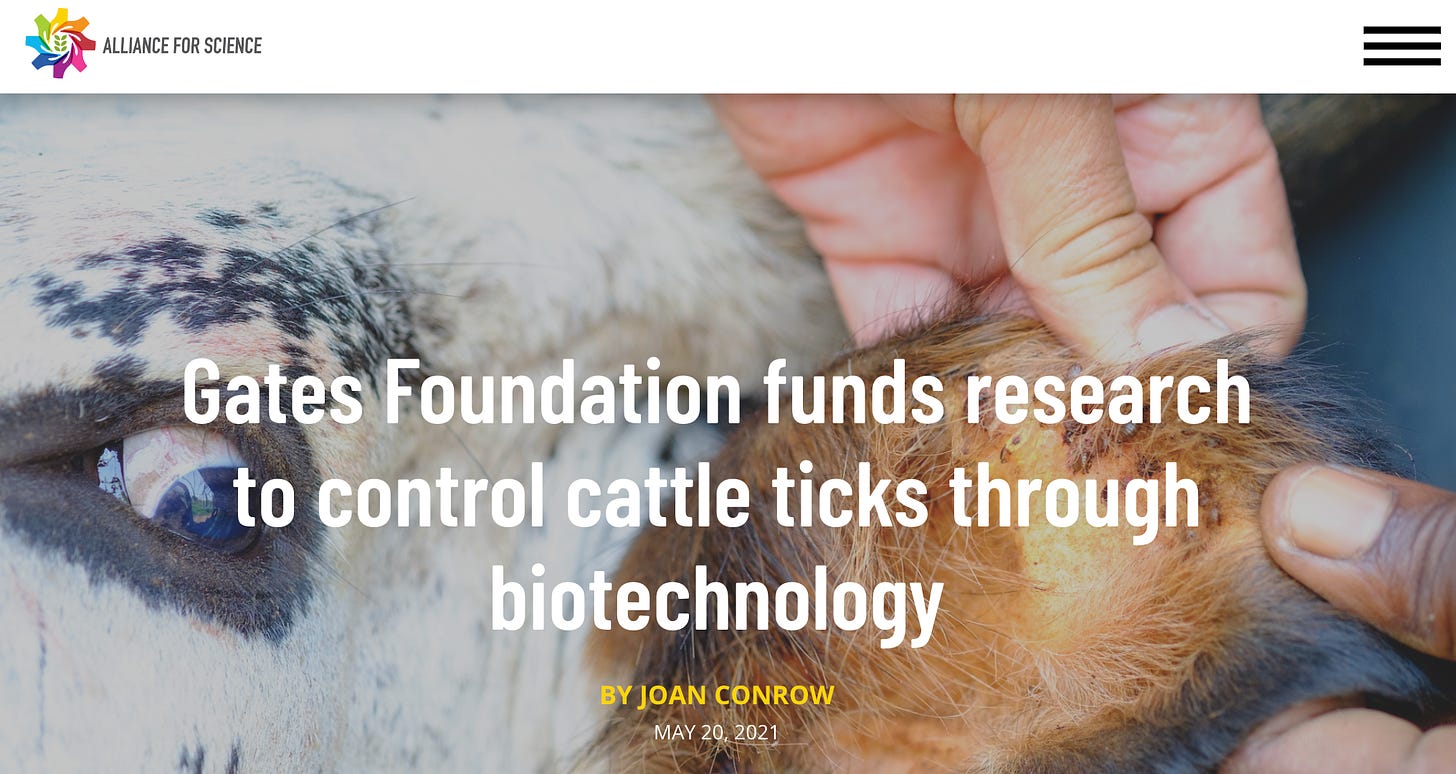
Technology that has been used to control mosquitoes and fall armyworm will now be applied to solving the world’s cattle tick problem under a new $1.283 million grant from the Bill & Melinda Gates Foundation.

While Gates/Oxitec is not targeting the lone star tick, tick bites from other ticks have also been linked to Alpha-gal syndrome.
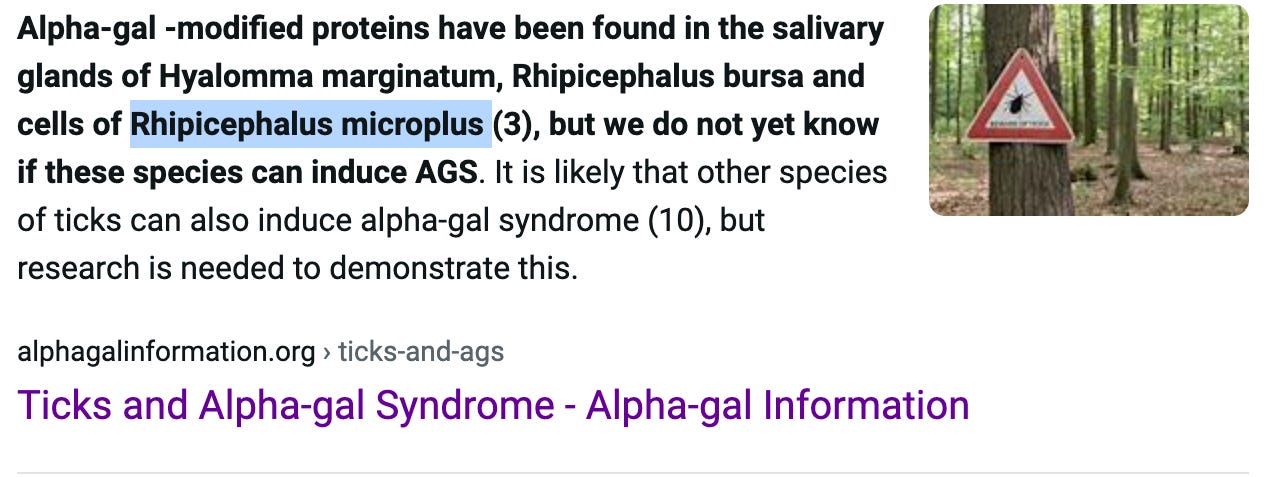
Oxitec has created a Friendly™ Cattle tick, aka Asian blue tick, aka Rhipicephalus microplus tick.
Oxitec’s Friendly™ arthropods offer a new approach to managing ticks that parasitize livestock. The simple self-limiting gene introduced to the Oxitec tick allows for the production of male-only cohorts of ticks, which – after release into the field – find and mate with invasive pest females. The self-limiting gene is passed to their offspring, preventing offspring from surviving and reproducing. With sustained releases of Friendly™ ticks on a given farm, the number of disease-spreading females will therefore decline, causing a reduction in the number of resident ticks of that species.
Incidentally, this is the same approach Oxitec used to produce its genetically-engineered mosquitoes that resulted in hybrid mosquitos.
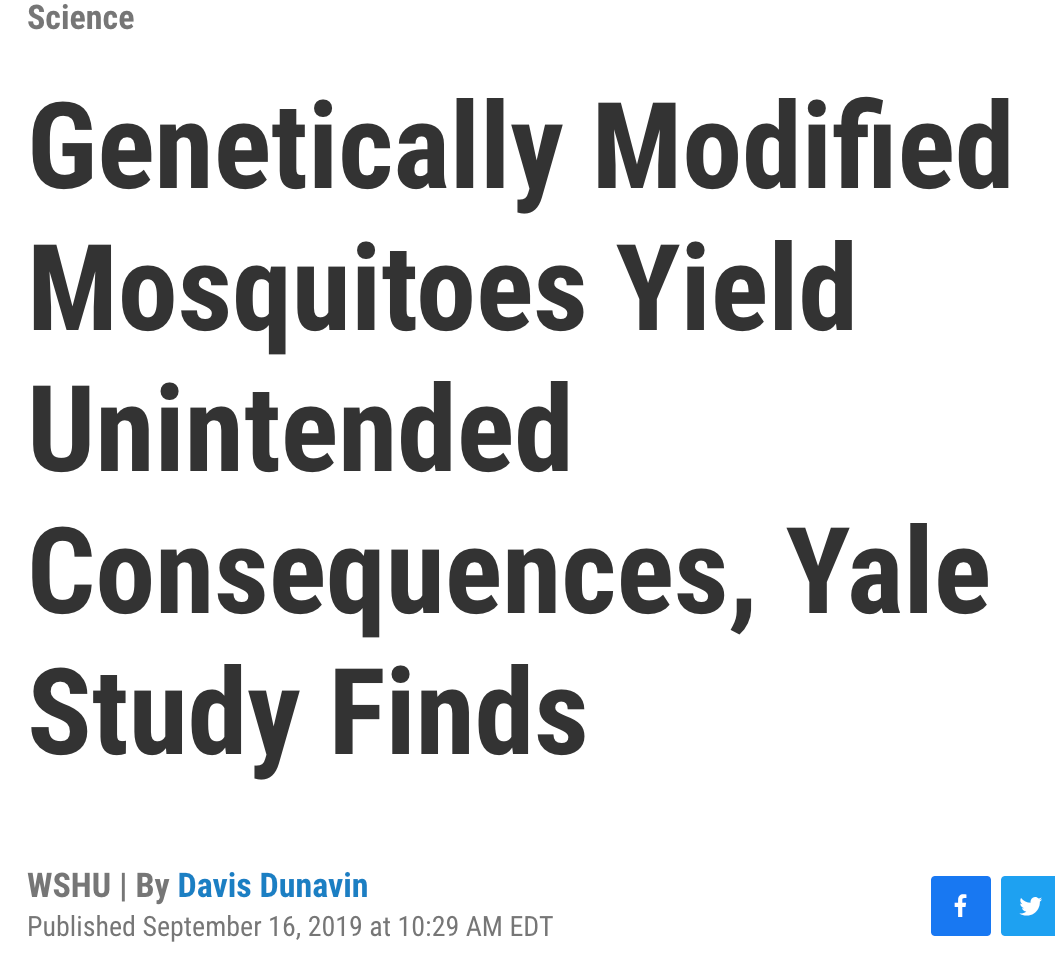
A biotech company released tens of millions of male mosquitoes over the course of two years. They were genetically modified to produce sterile offspring. The company wanted to prevent the spread of diseases like malaria and Zika by culling the mosquito population.
“The idea would be that when these males mated with females, the offspring would die. And therefore the overall population size of the mosquitos would decline.”
Yale professor Jeffrey Powell studied some mosquitos in Brazil to find out how the experiment went.
“What we found was unexpected. Unpredicted.”
Scientists found hybrids of the genetically modified mosquitos and the native mosquitos – meaning some offspring weren’t sterile.
“We don’t know what the effect of having this hybrid population is. These could be stronger mosquitos, harder to control.”
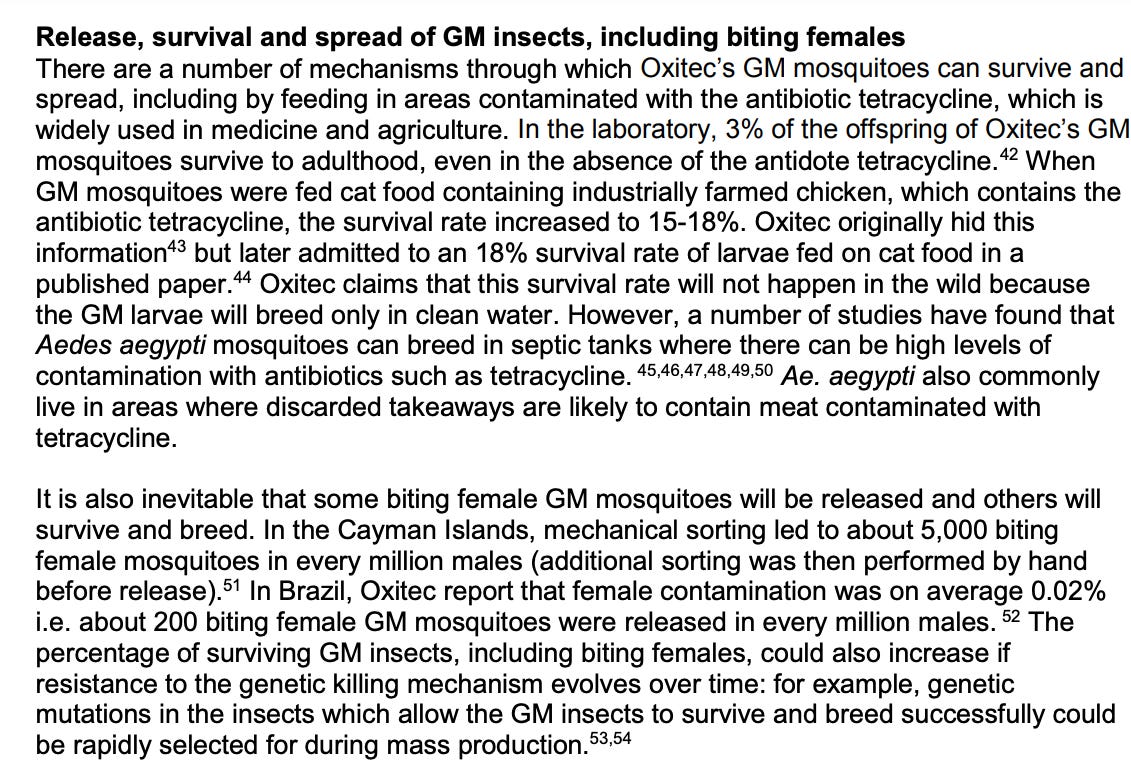
This should not have come as a surprise. Even Oxitec knew that exposure to the antibiotic tetracycline, which is commonly used in cattle, resulted in increased survival rates among genetically-modified mosquitos.
Bill Gates has been actively calling for reduced meat consumption. Now the largest private owner of farmland in the United States, he blames climate change on cow farts and is investing millions in fake meat.
Should we be trusting him with the health of our cattle?
Should we trust people and institutions who prefer technology to nature and humanity with the fate of nature and humanity?
Consider what this “bioethicist” has to say…
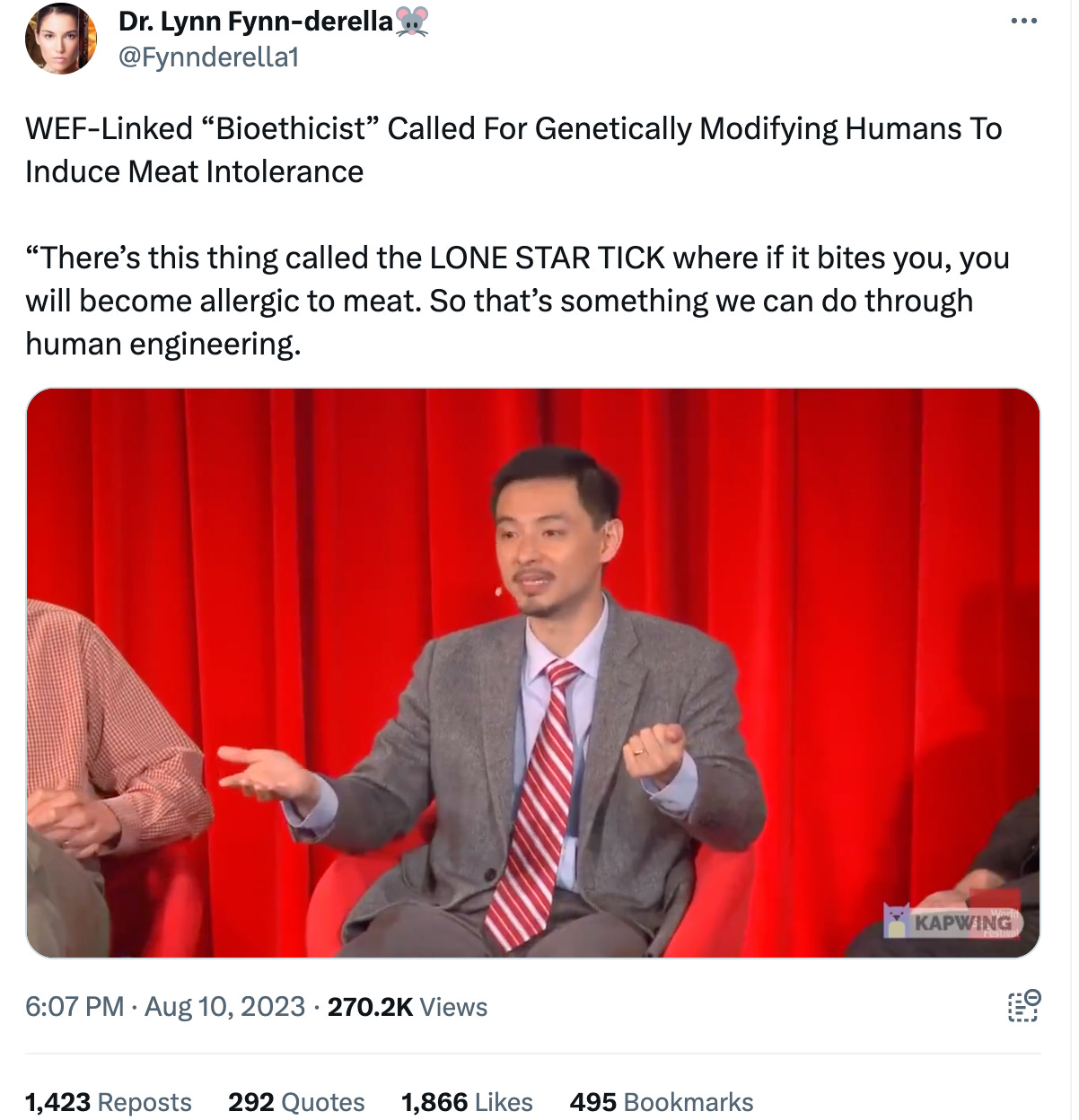
People eat too much meat. And if they would cut down on their consumption of meat… it would actually really help the planet. But people are not willing to give up meat…they have a weakness of will…So here’s a thought… So possibly we can use human engineering to make it the case that we’re intolerant to certain kinds of meat, to certain kinds of bovine proteins. And there’s actually analogues of this in life. There’s this thing called the lone star tick, where if it bites you, you will become allergic to meat… So that’s something we can do through human engineering. We can possibly address really big world problems through human engineering.
Before we outsource our personal health stories to accommodate a narrative that comes with canned solutions that fit neatly into globalist agendas, perhaps we should be taking time to gain a deeper understanding of the environment that lends to pathology.